


Understanding how different types of customers interact with your store is essential for making better business decisions. One of the most valuable analytics tools for this purpose is the WooCommerce sales report by user role.
In WooCommerce stores, customers can have different roles such as guests, registered users, wholesalers, or special customer groups. Each of these roles may behave differently when purchasing products. Some users may buy frequently in small quantities, while others may place fewer but larger orders.
By analyzing WooCommerce sales reports based on user roles, store managers can identify which customer groups generate the most revenue and which ones require additional marketing attention. This insight helps businesses allocate resources more effectively, improve marketing strategies, and personalize customer experiences.
For example, if wholesale customers generate a large percentage of revenue, you might offer them exclusive discounts or faster checkout options. On the other hand, if guest users convert less often, improving product descriptions or checkout flow could increase their purchase rate.
Although WooCommerce includes basic reporting tools, it does not provide a built-in option to directly generate sales reports grouped by user role. Store owners often need alternative methods such as custom SQL queries or advanced reporting plugins like REPORTiT, to access this type of data.
In this guide, we will explore two practical methods to generate WooCommerce sales reports by user role, helping you analyze customer segments and make smarter data-driven decisions for your online store.
What is a sale reports by user role?
WooCommerce sale reports by user role is one of the most practical reports that store managers can receive to determine the order amount of different user roles. This report shows a list of all user roles in the store, and the total amount of the orders per month is reported.
In online stores, customers can have different user roles. Generally, their roles are divided into three categories:
Guest customers
These users purchase products from the site without registration. These customers usually visit the site but make the least amount of orders. They don’t have any special needs or desires in mind and are more attracted to advertising and marketing.
Although this category of customers generates the least sales revenue, providing them with clear product information can stimulate their interest and ultimately lead to purchase.
Registered customers
These Users have an account on the site and are probably loyal customers. They usually have a great impact on the sales of e-commerce stores and should be respected in any online store.
Agencies
These customers intend to buy a specific product, and a specific need guides their behavior. In other words, they visit the online store, buy what they need quickly, and leave the site. These customers usually make bulk purchases, so you need to retain them and treat them like loyal customers.
To generate WooCommerce sale reports by user role, you can use one of the below methods:
Method 1: Use SQL code to generate WooCommerce sale reports by user role
There is no option for creating WooCommerce reports by user role in the default reports of WooCommerce. However, you can run the below SQL query in the WordPress database to generate a User role report:
SELECT
SUM(it_postmeta1.meta_value) AS 'total_amount' ,
it_postmeta2.meta_value AS 'billing_email' ,
it_postmeta3.meta_value AS 'billing_first_name' ,
users.user_email,users.display_name ,
Count(it_postmeta2.meta_value) AS 'order_count' ,
it_postmeta4.meta_value AS customer_id ,
it_postmeta5.meta_value AS billing_last_name ,
CONCAT(it_postmeta3.meta_value, ' ',it_postmeta5.meta_value) AS billing_name ,
usermeta.meta_value as user_role ,
MONTH(shop_order.post_date) as month_number ,
DATE_FORMAT(shop_order.post_date, '%Y-%m') as month_key FROM wp_posts as it_posts
LEFT JOIN wp_postmeta as it_postmeta1 ON it_postmeta1.post_id=it_posts.ID
LEFT JOIN wp_postmeta as it_postmeta2 ON it_postmeta2.post_id=it_posts.ID
LEFT JOIN wp_postmeta as it_postmeta3 ON it_postmeta3.post_id=it_posts.ID
LEFT JOIN wp_postmeta as it_postmeta4 ON it_postmeta4.post_id=it_posts.ID
LEFT JOIN wp_postmeta as it_postmeta5 ON it_postmeta5.post_id=it_posts.ID
LEFT JOIN wp_usermeta as usermeta ON it_postmeta4.meta_value=usermeta.user_id
LEFT JOIN wp_users as users ON usermeta.user_id=users.ID
LEFT JOIN wp_posts as shop_order ON shop_order.id = it_posts.ID
WHERE
it_posts.post_type='shop_order' AND
it_postmeta1.meta_key='_order_total' AND
it_postmeta2.meta_key='_billing_email' AND
it_postmeta3.meta_key='_billing_first_name' AND
it_postmeta4.meta_key='_customer_user' AND
it_postmeta5.meta_key='_billing_last_name' AND
usermeta.meta_key='wp_capabilities' AND
DATE(it_posts.post_date)
BETWEEN STR_TO_DATE('2019-09-01', '%Y-%m-%d') and STR_TO_DATE('2023-09-19', '%Y-%m-%d') AND
it_posts.post_status IN ('wc-completed') AND
it_posts.post_status NOT IN ("trash")
GROUP BY customer_id
ORDER BY total_amount DESC;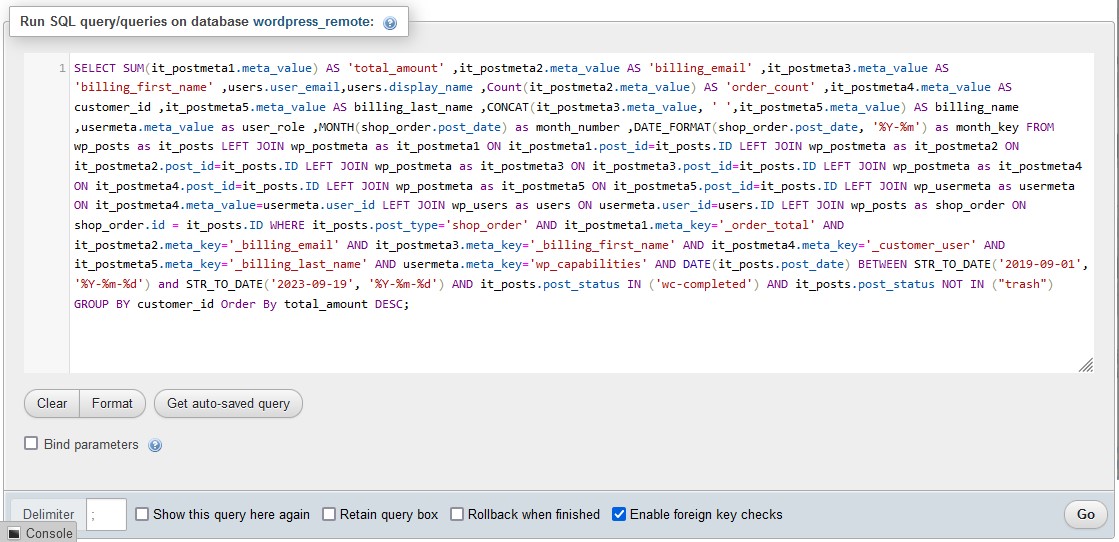
The output of this report is a list of all user roles in your online store with their total sales.
Method 2: Use the WooCommerce report plugin for receiving sales report by user role
The WooCommerce report plugin allows the store manager to generate a comprehensive WooCommerce sale reports by user role.
To get the sale reports after installing and activating the plugin, go to the following path:
WordPress Dashboard > IT Woo Report
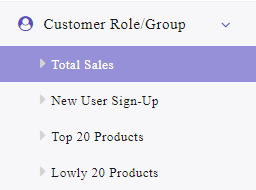
Then, in the WooCommerce report plugin dashboard, go to the Customer Role/Group tab and select the Total Sales option:
Now, you need to press the Search icon on the bottom of the page and set a date range in the search form as illustrated below:
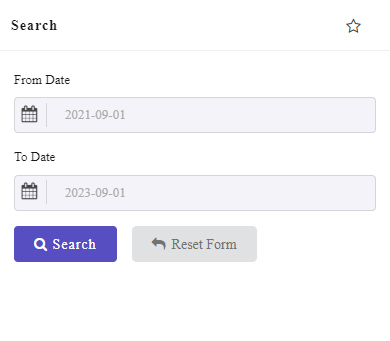
Then, by clicking on the Search button, the plugin will generate the user role reports containing the below columns:
- User Role: a list of all user roles in the WooCommerce store that place orders in the specified date range.
- Total Amount: Total orders placed by each user role in the specified date range.
- Monthly sales: The total monthly orders related to each user role.
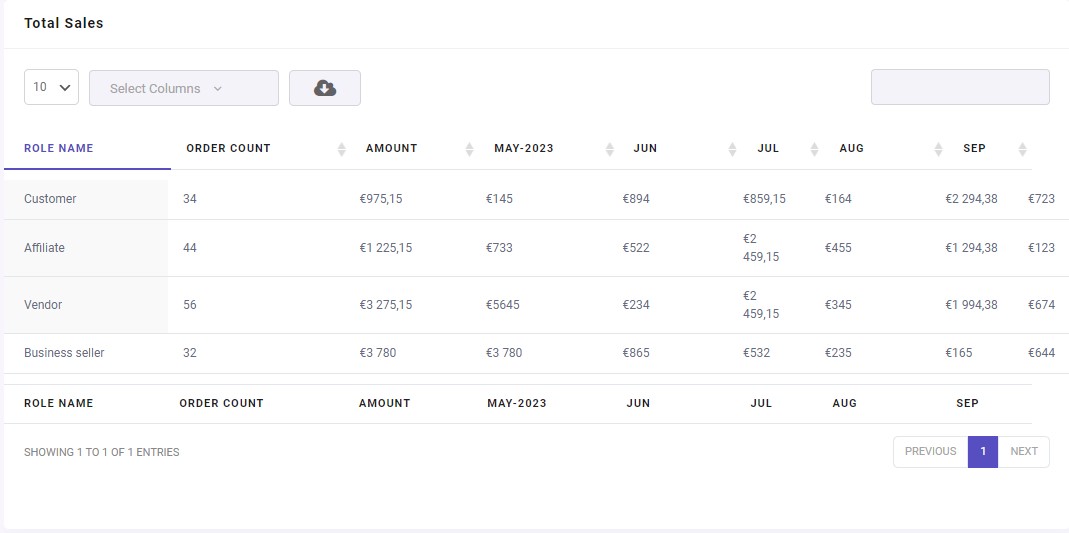
In this plugin, it is also possible to filter the report in the following ways:
Search box
In this box, you can search for any user role to filter the sales report based on it.
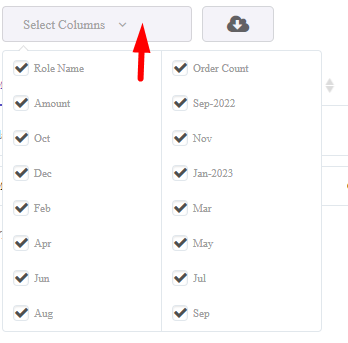
Select Column
A default list in this field allows you to mark one or more months to filter the sales report.
Export WooCommerce sales report by user role to CSV, Excel or PDF
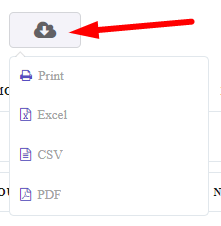
One of the amazing options designed in the WooCommerce report plugin is exporting the report with one click.
As you can see in the below image, it is possible to download the report in Excel, CSV, and PDF format by pressing the Download icon on the top of the table.
REPORTiT – Advanced WooCommerce Reporting
The easy way to get sale reports by user role in WooCommerce
What are the benefits of analyzing sale reports by user role in WooCommerce for businesses?
If you want to know the needs and expectations of different customers and try to meet them, you need to analyze the sales report by user role in WooCommerce.
Knowing different customer group requirements allows you to consider smarter actions and adopt more professional strategies to attract them. After classifying the customers, you may find that the persona of your target audience is completely different from what was predicted. In this case, you have to change the marketing strategy or at least revise it.
In addition, it is possible to identify other common needs of a specific customer group by classifying them. These needs can predict the future behavior of your business and give direction to your marketing strategies.
Briefly, the most important advantages of analyzing sales reports by user role are:
- Directing marketing strategies.
- Improve customer shopping experience.
- Predicting customer behavior.
- Maintaining and improving customer loyalty.
- Personalizing the customer experience.
- Increasing conversion rate.
Why do you need WooCommerce sales report by user role?
In the business world, the competition is getting tougher every day, so you have to take advantage of any tool that helps you win this competition. WooCommerce user roles report is the best tool for analyzing the behavior of online users. Deep insight into the behavior of WooCommerce customer role is an essential requirement for online marketing success.
In addition, if you want to recognize the behavior of WooCommerce roles in your site, you need to use the advanced WooCommerce reporting tool. Generating WooCommerce sales report by user role helps you to know your customers better, and as a result, you can keep them satisfied.
By using the WooCommerce user roles behavior analysis tool on your online store, you can also find answers to the following questions:
- Which users are purchasing from your site, frequently?
- What products have they bought?
- Which users are loyal to your online shop?
- Which users have abandoned carts?
- How many times and how much the users used the discount?
- What was the impact of your promotional plans on different WooCommerce user roles?
- Which WooCommerce customer role has more activity in your shop?
- What regions or countries do customers buy from?
In general, evaluating and monitoring the behavior of WooCommerce user role by analyzing their sales report will be effective in your next decisions for the growth and development of your store.
Conclusion
Analyzing WooCommerce sales reports by user role allows store owners to gain deeper insight into how different customer groups interact with their store. By understanding which roles generate the most orders and revenue, businesses can design more effective marketing strategies and improve customer retention.
While WooCommerce provides basic reporting features, generating reports specifically based on user roles usually requires additional methods such as SQL queries or specialized reporting plugins.
Using a dedicated WooCommerce reporting plugin like REPORTiT, simplifies the entire process by allowing store managers to generate detailed reports with just a few clicks. These reports help identify valuable customer segments, monitor sales performance, and optimize promotional strategies.
With better visibility into customer behavior, WooCommerce store managers can make smarter decisions that lead to improved conversion rates, stronger customer relationships, and long-term business growth.
FAQ
What is a WooCommerce sales report by user role?
A WooCommerce sales report by user role shows how much revenue is generated by different types of users in your store, such as guests, registered customers, or wholesale buyers. This type of report helps store owners understand which customer groups contribute the most to overall sales.
Why should I analyze sales by user role in WooCommerce?
Analyzing sales by user role helps businesses understand the purchasing behavior of different customer groups. With this insight, store managers can create targeted promotions, improve marketing campaigns, and optimize the shopping experience for specific user segments.
Does WooCommerce provide a default user role sales report?
WooCommerce includes several sales and order reports, but it does not provide a built-in report specifically for analyzing sales by user role. To generate this type of report, store owners typically use SQL queries or install advanced WooCommerce reporting plugins like REPOERiT.
How can a WooCommerce report plugin help with sales analysis?
A WooCommerce reporting plugin can generate detailed sales reports grouped by customer roles, products, categories, or time periods. These tools make it easier to analyze store performance, identify profitable customer segments, and export reports for further business analysis.
Can I export WooCommerce sales reports for further analysis?
Yes, many WooCommerce reporting tools like REPORTiT, allow store managers to export sales reports in formats such as CSV, Excel, or PDF. Exporting reports makes it easier to analyze data, share insights with team members, or use the information in marketing and financial planning.


